
Within the bustling halls of an NHS hospital in Birmingham, a young man named James Stokes moves with quiet purpose. His polished footwear barely make a sound as he acknowledges colleagues—some by name, others with the universal currency of a "how are you."

James displays his credentials not merely as an employee badge but as a declaration of acceptance. It sits against a pressed shirt that gives no indication of the difficult path that preceded his arrival.
What separates James from many of his colleagues is not obvious to the casual observer. His bearing reveals nothing of the fact that he was among the first participants of the NHS Universal Family Programme—an effort designed specifically for young people who have spent time in care.
"I found genuine support within the NHS structure," James explains, his voice controlled but revealing subtle passion. His statement summarizes the core of a programme that aims to reinvent how the vast healthcare system views care leavers—those vulnerable young people aged 16-25 who have transitioned from the care system.
The numbers reveal a challenging reality. Care leavers often face poorer mental health outcomes, financial instability, accommodation difficulties, and diminished educational achievements compared to their age-mates. Behind these cold statistics are human stories of young people who have maneuvered through a system that, despite good efforts, frequently fails in offering the nurturing environment that forms most young lives.
The NHS Universal Family Programme, initiated in January 2023 following NHS England's pledge to the Care Leaver Covenant, represents a substantial transformation in systemic approach. Fundamentally, it recognizes that the complete state and civil society should function as a "collective parent" for those who haven't known the constancy of a typical domestic environment.
Ten pioneering healthcare collectives across England have charted the course, creating structures that reimagine how the NHS—one of Europe's largest employers—can extend opportunities to care leavers.
The Programme is detailed in its methodology, starting from thorough assessments of existing policies, establishing oversight mechanisms, and obtaining senior buy-in. It acknowledges that successful integration requires more than lofty goals—it demands practical measures.
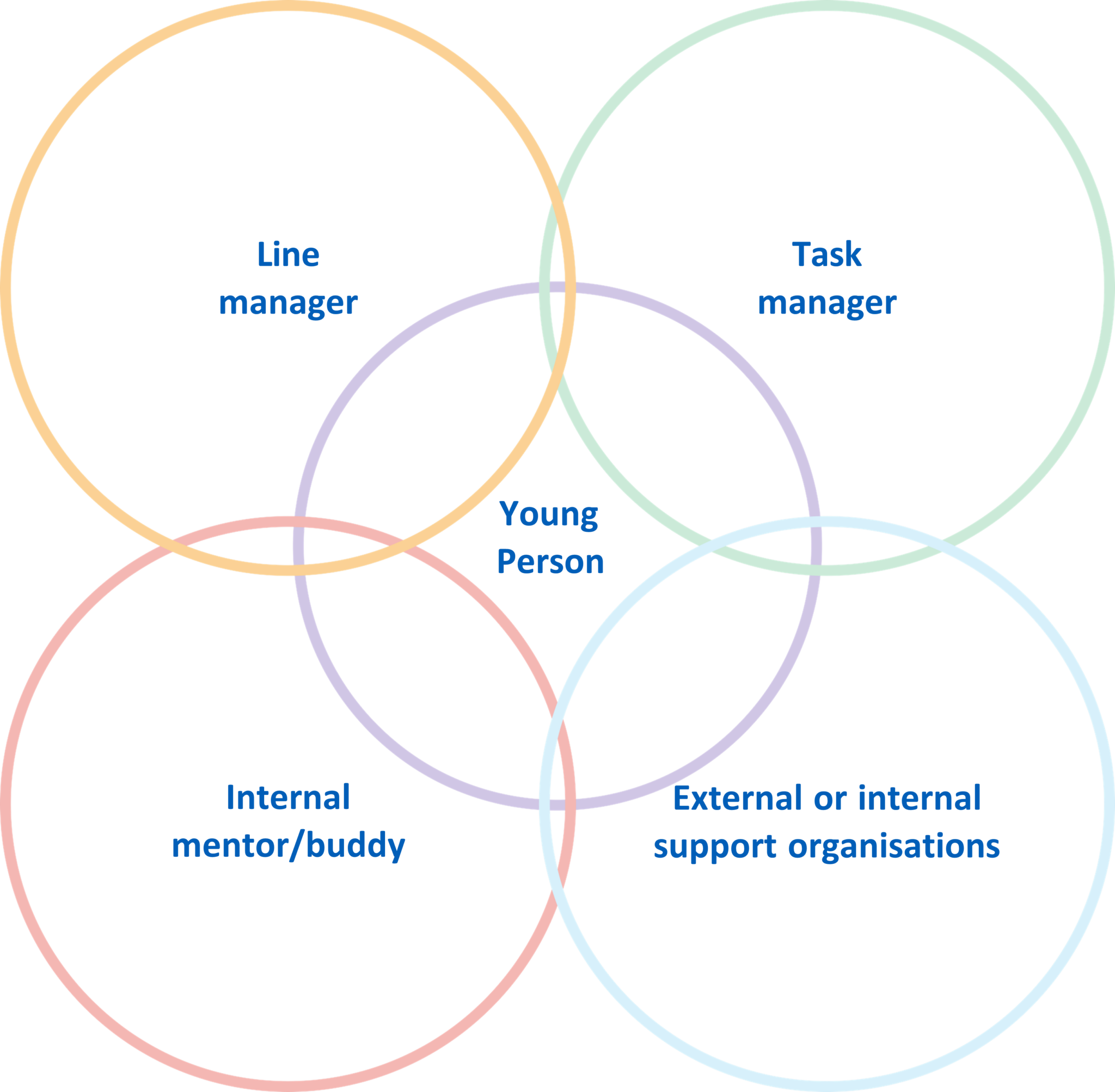
In NHS Birmingham and Solihull ICB, where James began his journey, they've developed a reliable information exchange with representatives who can offer support, advice, and guidance on wellbeing, HR matters, recruitment, and EDI initiatives.
The standard NHS recruitment process—formal and possibly overwhelming—has been carefully modified. Job advertisements now emphasize character attributes rather than extensive qualifications. Application processes have been redesigned to consider the particular difficulties care leavers might experience—from lacking professional references to struggling with internet access.
Maybe most importantly, the Programme acknowledges that beginning employment can pose particular problems for care leavers who may be managing independent living without the backup of familial aid. Issues like travel expenses, personal documentation, and financial services—considered standard by many—can become substantial hurdles.
The elegance of the Programme lies in its meticulous consideration—from clarifying salary details to offering travel loans until that essential first wage disbursement. Even seemingly minor aspects like rest periods and office etiquette are thoughtfully covered.
For James, whose NHS journey has "transformed" his life, the Programme offered more than employment. It gave him a feeling of connection—that ineffable quality that develops when someone is appreciated not despite their history but because their distinct perspective enhances the workplace.
"Working for the NHS isn't just about doctors and nurses," James observes, his eyes reflecting the modest fulfillment of someone who has discovered belonging. "It's about a family of different jobs and roles, a family of people who genuinely care."
The NHS Universal Family Programme represents more than an employment initiative. It stands as a bold declaration that systems can change to embrace those who have navigated different paths. In doing so, they not only alter individual futures but improve their services through the distinct viewpoints that care leavers bring to the table.
As James navigates his workplace, his involvement quietly demonstrates that with the right assistance, care leavers can thrive in environments once thought inaccessible. The embrace that the NHS has extended through this Programme signifies not charity but recognition of overlooked talent and the essential fact that everyone deserves a community that supports their growth.